No products in the cart.

The importance of toys and play
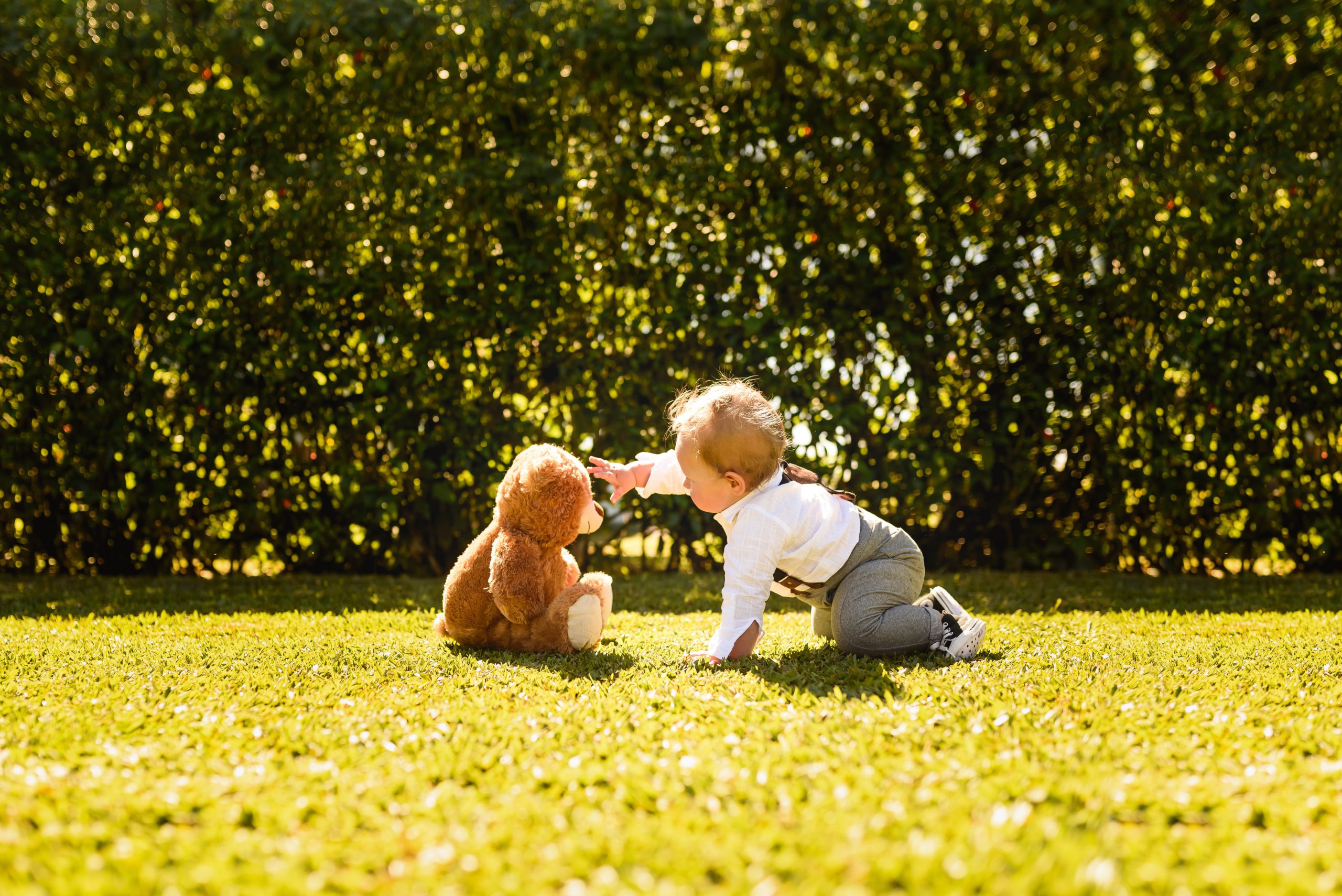
A teddy bear, a singing doll, a thick colourful book, a rattle… The vast majority of adults have had a toy they never parted with, not even for sleep. In fact, it's very common for children not to be able to go to bed without their colourful blanket or their favourite car. Surely those who have children or children around will be very familiar with this particular situation. In this post, we will talk about the importance of toys in childhood. We will also discuss the most suitable toys according to the child's age and the safety measures that every parent should take into account.
Children's toys have undergone various studies throughout the last century. The result we know today is quite clear - or at least, it should be: Toys help children develop important skills such as language, creativity and problem-solving.. Play is so important at these ages that many experts claim children who don't play -they don't play as much as other children- they have a higher risk of psychological, intellectual, and social deficits.
Abstract thinking, concentration, communication, happiness and joy…. There are so many benefits to toys and play that make them a crucial part of any well-rounded childhood! We also know that screens have burst onto the scene with full force in recent times. We could say they have their positive and negative sides, with each being more present depending on how we use them. Therefore, the most correct approach would be Limit exposure to screens as much as possible so as not to overshadow the benefits of the «traditional» game.
To fully benefit from playing, children need adults who support them, recognise the value of play, and encourage it by providing a safe environment for them to play in, as well as appropriate toys that allow for a wide variety of activities. According to the Spanish Association of Toy Manufacturers, it is important Pay attention to the child's age and abilities when buying a toy.
| Personality traits of 7 – 12 months | Types of toys |
| • More voluntary movements • Recognise voices and some words They say some words • They explore and hit objects • Hidden object search • They drag and grab various objects They sit alone | • Mobile phones • Objects that roll: balls, simple laces… • Noisy toys • Colour contrast toys • Toys with different textures Very small Rag dolls Toys for the water Walkers, rockers |
| 13-18 months personality traits | Types of toys |
| They can walk and jump They use and understand words They throw and collect objects • They recognise the ownership of objects Friends appear | Rag dolls, rubber or plush toys Toys with different textures and colour contrasts • Stacking and nesting cubes, and building blocks Tricycles or quad bikes, without pedals, Prams |
We've previously mentioned the adult's role during play, and it's important not to lose sight of the fact that children take into account who is around when they are playing. An adult must ensure that no incidents occur. such as falls, fractures, burns or choking, especially at these ages we are talking about: mainly between seven and eighteen months of age. A two-year-old child in Austria put a building block in his mouth and started running around the living room. The child lost his balance and fell against the door frame. The toy caused deep cuts to his palate and he needed stitches under anaesthetic.
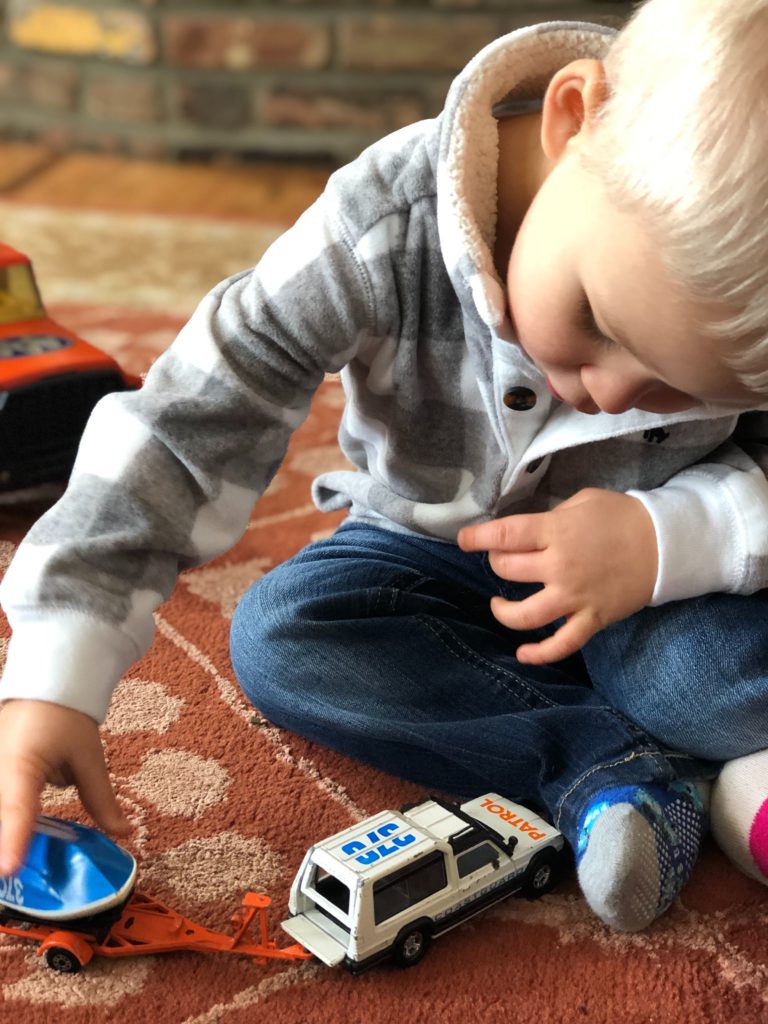
As specified by the Children's Product Safety Guide Drafted by the European Alliance for Child Safety: «many childcare providers do not respect the age restrictions indicated by the toy manufacturer. Loose magnets (especially batteries) and buttons contained in some toys can be dangerous if swallowed by a child.» Likewise, the most serious accidents recorded involve children - or adults - tripping over them, particularly due to them being left on steps or stairs. It is important to note that Most of these incidents are related to toys, but aren't directly caused by the toy itself..
Those in charge must be responsible and ensure safe, fun, and values-rich play. Safety and health are not to be trifled with.
Now that we are aware of the importance of play and the role adults should take, we can ask ourselves: Is it good that a child cannot sleep without their comfort toy? Of course. It is neither good nor bad. Children need to feel safe, cuddle, notice the presence of a loved one (or something, in the case of the toy) and they often find that in the stuffed animal they hug every time they go to sleep. Cotton stuffed animals produce a lovely warmth and their padded mass allows them to be hugged affectionately without fear of injury. This reassures them and helps them fall asleep.
When is it time to give up the teddy bear for sleep? None in particular. Each child is different and has their own specific needs. Time is very wise and usually takes care of changing habits as responsibilities increase. This habit of sleeping with a stuffed animal is not usually harmful to any child. The parents in question should assess if it is causing any problems.
From Muslher, we are enormously pleased to be able to dedicate a post to this topic which we consider so important. If you are one of those adults who has been overcome by nostalgia reading about toys and childhood, we recommend that you take a look at our tips for keep your inner child awake.
For more information on play safety and how to choose the right toys for a child's age, we recommend consulting the guides we mentioned and attached in the previous paragraphs. And if you wish to leave any comments, you can do so in the section below. We would love to hear about your experiences with play, fun, and childhood!
